Must Read pauses story-based cover art deals after artist backlash
Picacio's leaked contract offered $1,200 and a full moral rights waiver, and Giancola says the same pay was offered for a work-for-hire deal he'd never seen from them before
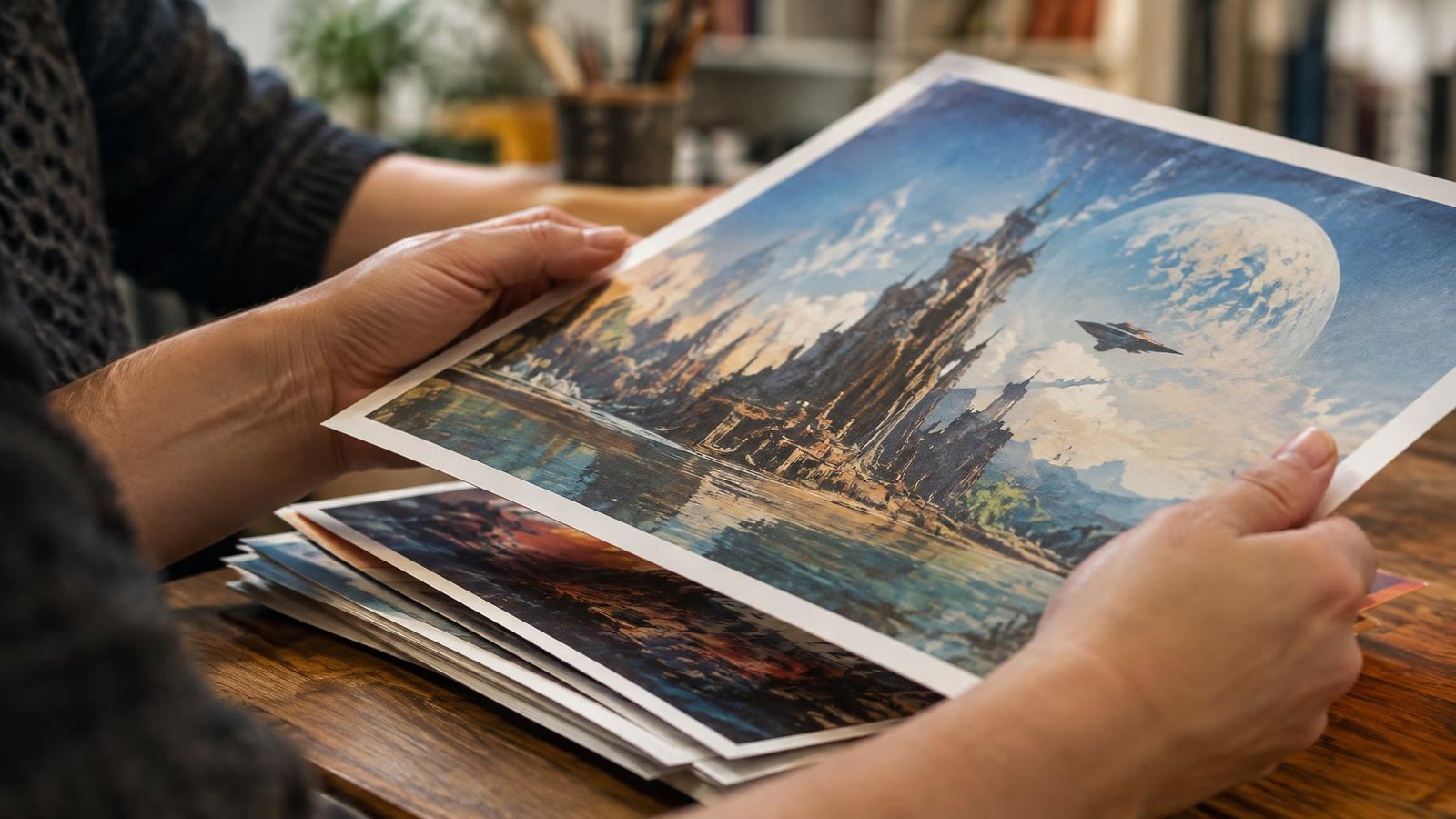
Here's the thing about a "clarification" statement — it usually clarifies that you got caught. Must Read's magazines put out a boilerplate contract with a moral rights waiver baked in, offered $1,200 for cover work, and are now pausing story-based commissions while they "figure out the best way forward." That's not a fix. That's a timeout called after the whistle.
Must Read Magazines — the company behind Asimov's, Analog, and F&SF — just told its critics it's pausing something, and that's usually a sign the critics were right.
The statement, shared by Analog on Bluesky, responds to public pushback from illustrator John Picacio, Donato Giancola, and Writer Beware's Victoria Strauss over cover illustration contracts. Picacio sent Locus the boilerplate contract he was offered. It asked artists to waive "droit moral" and moral rights entirely, let the company solely own copyright regardless of whether the artist's services were suspended or terminated, and credit "Company or its divisions" — not necessarily the artist — as copyright holder. Pay: $1,200.
Giancola, in a separate post, confirmed he was offered the same $1,200 fee for a cover and called it "on the low side" — the same number, he says, Asimov's offered him six years ago for similar work. He also says the contract used a work-for-hire structure he'd never worked under for any of his previous Asimov's covers, and that it took five rounds of revisions over three months with their legal department before he walked away — after they kept pushing a non-disclosure agreement he'd already said he wouldn't sign.
Must Read's defense is that when a cover art commission adapts a story's characters and world, the company can't grant the illustrator broad rights to that material without rights from the author it doesn't have — so illustrators were asked to work for hire instead. On moral rights specifically, the company says its newer licensing agreements, drafted with input from SFWA's contracts committee, no longer include a waiver. It didn't say whether that newer language has replaced the kind of contract Picacio received.
The company says it's pausing contracts tied to specific stories "for the foreseeable future" while it works out a better approach.
What this means for you: if you write for these magazines, your story's cover art is commissioned under contracts that are currently in flux — and the terms illustrators sign shape how much control exists over your characters and world once art is in play. Strauss put the real issue plainly on Writer Beware: it's not just whether a publisher will fix a bad contract when challenged, it's what it says that they offered one in the first place. Scott Edelman, who'd already pulled his submissions from Must Read last year, says this statement hasn't changed his mind.
What to do this week: if you have a story under consideration or contract with Asimov's, Analog, or F&SF, ask directly whether cover art for your piece falls under the newly paused category, and ask to see the current illustrator agreement before anything moves forward. Don't take "we're figuring it out" as an answer — get it in writing.
Why it matters to you: If you write for a magazine that commissions cover art based on your story, the contract your illustrator is asked to sign — and what it gives away — affects how your world and characters can be used.
This story ran in the Coral Wire edition of Tue, Oct 13 2026, when the Coral Index stood at 26/100 (Storm warning).
Coverage — 1 source
Every outlet found reporting this story.
Also in this edition
- Publishers use AI in-house while authors get scrutinized for itAI — WIRED spoke to more than two dozen publishing staff who described AI creeping into marketing, publicity copy and daily workflows
- Audible survey finds audio listeners cross over to printMarket — NielsenIQ and Audible research found 63% of audiobook listeners went on to buy a print or ebook by the same author
- Appeals court rejects Ross's fair-use defense in training caseLegal — Third Circuit affirmed summary judgment against ROSS on September 29, 2026 — the first federal appellate ruling on AI-training fair use