Copyright Alliance flags campaign season's licensing gray zone
The group walks through why political uses of music, characters and slogans sit in a legal gray zone rather than a settled rule
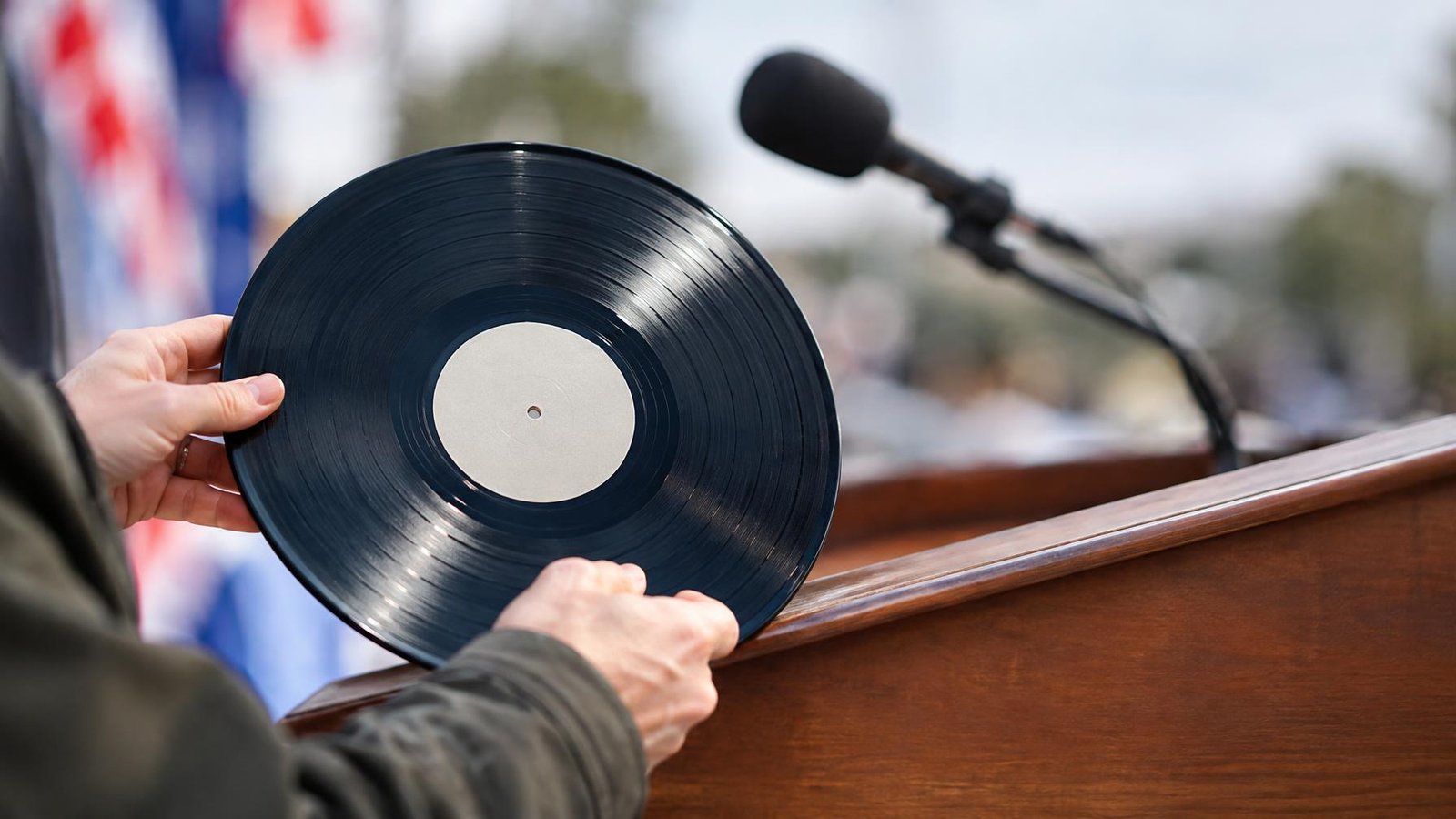
The Copyright Alliance published an explainer this week on how copyright law applies when political campaigns and government officials use creative works without permission, noting that as November elections approach, such disputes are likely to resurface. The piece cites recent examples raising these questions, including former Member of Congress Steve King's use of the "Success Kid" photo meme in a fundraising campaign, the Obama campaign's use of a Sesame Street character in election ads, the Department of Homeland Security's use of Pokémon's "Gotta Catch 'em All" slogan and other Pokémon audiovisual content and imagery in an ICE-related video, and the White House's arcade.gov site, which the Alliance says appeared to incorporate elements of video game companies' intellectual property in some of its games.
The Alliance states that political campaigns and government officials receive no blanket exemption from copyright law, and that a campaign ordinarily must secure licenses before using a work such as a song at a rally. It notes fair use as a fact-specific doctrine that may permit otherwise unauthorized uses, turning on the purpose of the use and its effect on the market for the original work.
The Alliance also outlines sovereign immunity under U.S. law: the federal government generally cannot be sued without its consent, though Congress has waived that immunity for copyright claims under 28 U.S.C. § 1498(b), allowing rights holders to seek monetary damages but generally not an injunction. The Alliance notes that a copyright owner may still send a DMCA Section 512 takedown notice to a platform such as YouTube, X, or TikTok, which may remove content to preserve its safe-harbor protection. State governments are generally difficult to sue for damages, though prospective injunctive relief may be available in some circumstances, according to the Alliance.
Here's the uncomfortable truth buried in this piece: there's no "political exception" to copyright, but there's also no guarantee a lawsuit gets you relief. If you're an author or musician and you spot your work at a rally or in a government video, don't assume it's an automatic win — fair use is a real wrinkle, and if the user is the federal government, you may be stuck seeking money, not a takedown of the use itself. Know which door you're walking through before you spend money on a lawyer. That said, a DMCA takedown to the platform hosting the video is still your fastest, cheapest move — you don't need to win the underlying copyright argument to get a platform to act and protect its own safe harbor.
From the Coral Wire edition of Sun, Oct 25 2026 · Coral Index 38/100 (Headwinds)