Dungeon Crawler Carl hits 14 million copies with zero publishers
Matt Dinniman built a litRPG bestseller and a Seth MacFarlane TV deal entirely outside traditional publishing.
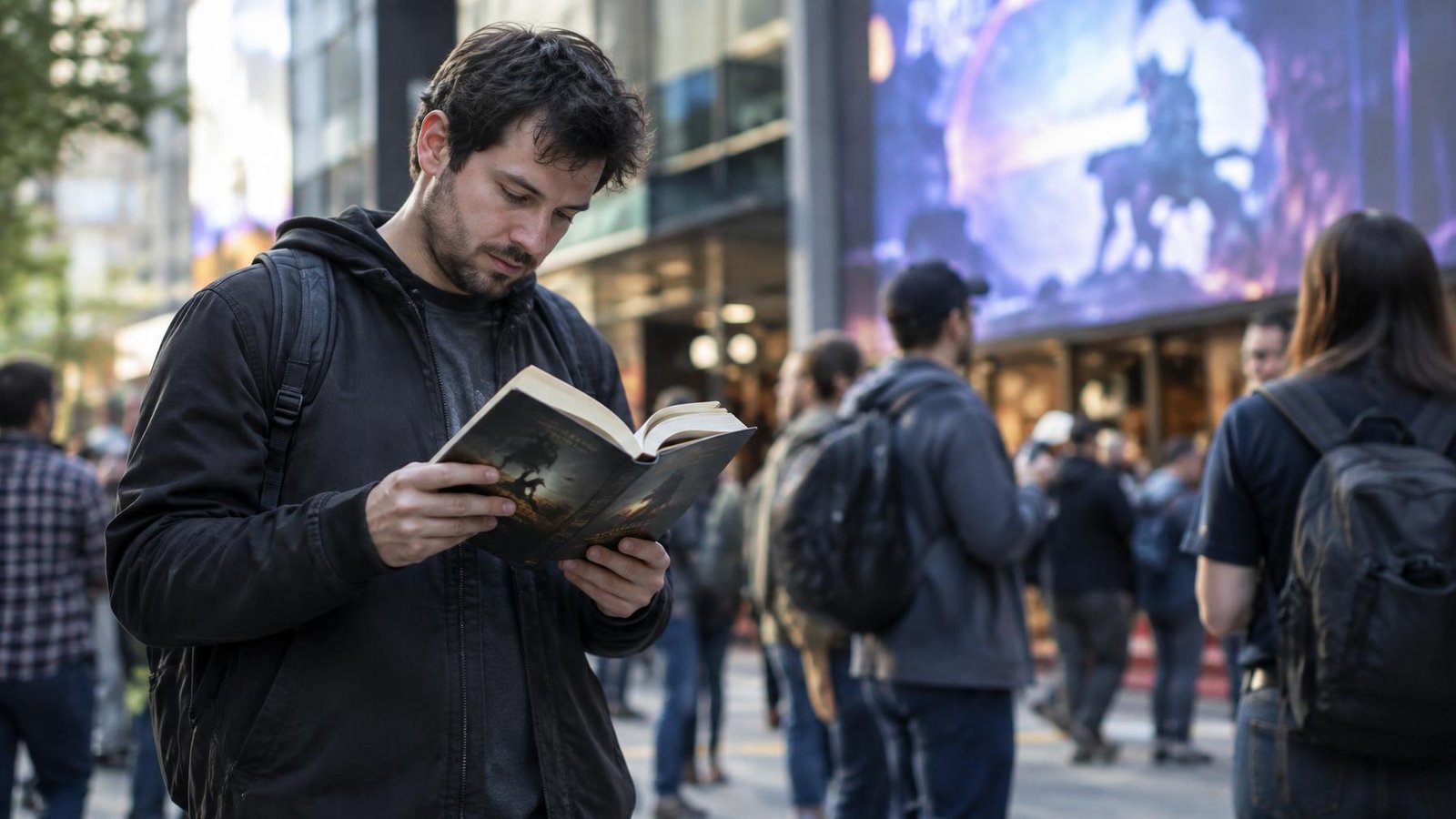
No agent picked him, no imprint bet on him, and no gatekeeper decided litRPG was worth the risk. Matt Dinniman did, and now he's sitting on 14 million copies sold and a TV deal from the guy who made Family Guy. If you've ever been told your genre is too niche or your book won't "fit a list," this is the receipt that says otherwise.
Here's the story every indie author needs pinned above their desk: a litRPG series about a man and his cat surviving a deadly game show, rejected by the traditional publishing world, has sold over 14 million copies, hit both the Amazon and New York Times bestseller lists, and landed a live-action TV deal with Seth MacFarlane — yes, the Family Guy Seth MacFarlane — attached as a producer with showrunners on board.
That's Matt Dinniman's Dungeon Crawler Carl series. And according to Written Word Media's Ricci Wolman and Ferol Vernon, who just launched a new podcast case-study series digging into how indie authors "make it big," Dinniman's path started small: two people at a convention booth, building an audience one reader at a time in a genre — litRPG — that neither host had even considered mainstream before this book.
Here's what actually matters for you this week. Dinniman didn't get here because litRPG was a safe bet. It wasn't. Wolman says it's "not a genre that I read," and put it next to Ready Player One as basically the only other bestseller comparison she could think of. Traditional publishers looked at this book and passed. That's the headline fact worth sitting with: the market didn't say yes first. Dinniman built the audience, and the bestseller lists followed.
So what do you do with that if you're indie and grinding? First, stop waiting for a gatekeeper's permission slip before you commit to your weird, specific, hard-to-categorize book. The lesson from this case study, per Vernon, is explicitly built to apply "regardless of what you're writing." Second, know that Written Word Media says this is the first in a series — more case studies on indie authors who broke out are already in the works. Watch for those. They're building a playbook, one author at a time, and you don't have to guess at the lessons alone.
Third — and this is the practical bit — if you're serious about learning from authors who've done this, go find your people in person. Wolman and Vernon are both heading to Author Nation in Vegas this November, and Written Word Media will have a booth all week. NINC is happening this month too. Conferences aren't just travel expenses; they're where you find the community and the specifics that a podcast summary can't give you.
My take: this isn't a story about litRPG. It's a story about what happens when an author refuses to shrink their book down to fit someone else's list. Dinniman didn't get smaller to get picked. He got bigger until he couldn't be ignored. Watch for the next case study from Written Word Media — that's where the repeatable lessons will start to show up.
Why it matters to you: A book every traditional publisher passed on is now proof that indie authors don't need permission to build something huge.
This story ran in the Coral Wire edition of Tue, Sep 29 2026, when the Coral Index stood at 58/100 (Tailwinds building).
Coverage — 1 source
Every outlet found reporting this story.
Also in this edition
- Spotify opens free AI audiobook tool to all self-published authorsWire — The catch: you need a validated payment profile, and Spotify caps usage without saying by how much
- Authors Guild presses publishers to split unregistered-title claimsLegal — The Guild wants publishers to hand over 50% per title where they failed a registration duty, and the settlement is already fixing 100%-claimed errors.
- Piracy may sink an AI company's fair use defenseLegal — Copyright Alliance lays out how the unclean hands doctrine could bar AI companies from claiming fair use if they knowingly used pirated training data.
- Publishers accuse Trump administration of favoring AI firms in courtLegal — News publishers say the administration's stance in a copyright suit tilts toward AI companies over their own interests